
Cycle time is what drives your profit in polyurethane foam molding. You see this clearly in automotive seating, shoe soles, insulation panels, and foam factories. Each extra second between pours costs you money.
A high-performance polyurethane release agent can fix this problem. These agents help you demold faster and more reliably. They also stop mold sticking and micro-porous defects that slow your line.
You can use this guide to improve your process right away. It draws on knowledge from Dongguan Meiya Chemical, a top mold release agent manufacturer. Their knowledge helps you cut cycle time in your PU foaming work. You will learn practical steps to boost efficiency and quality.
How Polyurethane Release Agents Cut Cycle Time
Demolding Speed and Mold Protection
A polyurethane release agent makes a thin layer between the foam and the mold. This layer lets you take parts out fast without using force. You save seconds every cycle. Those seconds add up quickly over a whole shift. A good release agent also keeps your mold from wearing out. Less scraping means your tools last longer.
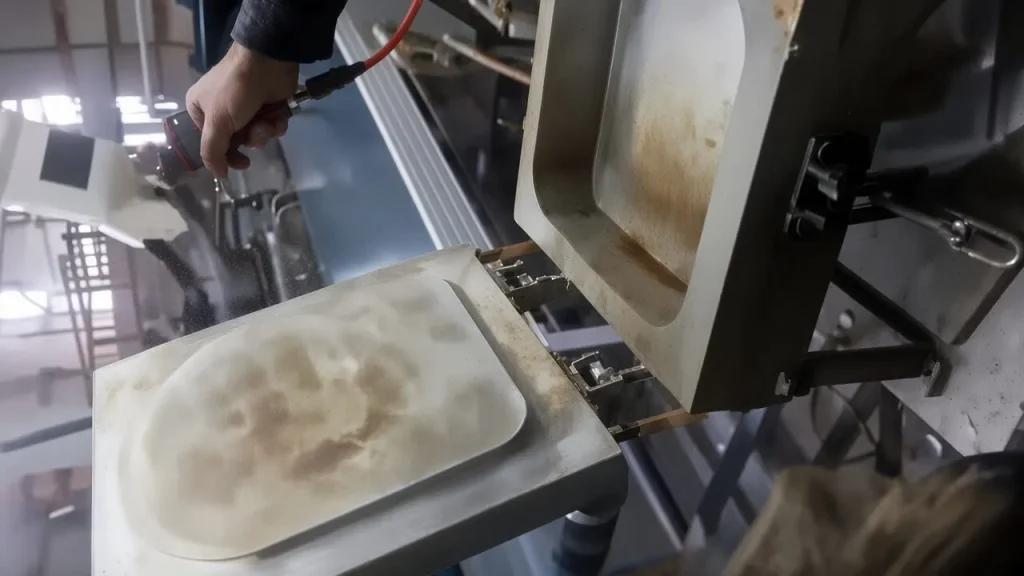
High-adhesion polyurethane foams often stick to hot metal. You need a strong release agent to deal with this. A good product lowers demolding force and makes demolding work better. Your team spends less time fighting stuck parts. You get more shots per hour. For automotive seating lines, this speed is important. Shoe sole makers need the same fast turnaround. Insulation panel plants and foaming material factories face the same pressure.
Production Efficiency and Defect Reduction
Mold sticking stops your line. Workers have to pause and pry parts free. This ruins your cycle time. Micro-porous defects cause another problem. These tiny holes make you reject parts or rework them. Both issues drain your profit.
High-performance mold release agents fix these problems. They give you steady demolding performance every cycle. You avoid the stop-and-go pattern that hurts production flow. Flexible polyurethane foams and integral skin polyurethane foams both gain from this. The release agent stops foam from bonding to the tool. Polyurethane foam surfaces come out clean and smooth. You cut scrap and raise output.
Demolding performance links straight to your bottom line. A reliable release agent keeps your line moving. You hit your targets without constant interruptions. This consistency separates profitable operations from struggling ones.
Key Features of High-Performance Mold Release Agents
Fast Curing and Low Buildup
A top mold release agent dries fast on your mold surface. Fast drying means you spray the agent and pour foam sooner. You save valuable seconds every cycle. Low buildup matters just as much. Some products leave thick residue that you must clean off. That cleaning stops your line and adds time. A high-performance polyurethane release agent leaves very little residue. You run more cycles between cleanings. Your mold stays cleaner for longer.
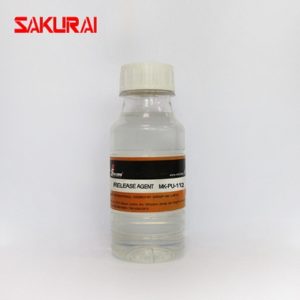
These features work together to cut your cycle time. Fast drying shortens the gap between spraying and pouring. Low buildup cuts downtime for mold upkeep. You get more shots per shift with less interruption. For polyurethane foams in automotive seating or shoe soles, this steady performance keeps your line moving.
Thermal Stability and Water-Based vs. Solvent-Based Options
Thermal stability sets good mold release agents apart from average ones. High heat can break down weaker products. That breakdown causes sticking and surface defects. A heat-resistant premium release agent uses high-temperature polymers and special additives. These ingredients resist breakdown under high PU processing temperatures. The agent keeps its molecular integrity and release properties even when temperatures go above normal operating ranges.
This thermal stability gives you steady demolding performance. Parts release easily without too much force. You avoid production delays and get higher throughput rates. Your cycle times drop and part quality stays consistent.
A high-performance water-based mold release agent gives stable performance for polyurethane foaming. Emulsion stability keeps the product from separating over time. You get reliable results batch after batch. A new water-based release agent cuts cycle time by drying fast and releasing cleanly. Solvent-based options also work well. Fine-tuning solvent composition boosts release efficiency, cuts residue, and improves drying time. You can optimize these products for shorter cycle times too. Electrostatic release agents give another option for specific applications.
Optimizing Cycle Time for Polyurethane Foams
Selecting the Right Polyurethane Release Agent
The release agent you pick affects your whole cycle. First, match the agent to your exact polyurethane formulation. Flexible foams, rigid foams, and integral skin foams each act differently in the mold. A product made for one type may not work with another. You also need to think about your mold material. Aluminum, steel, and epoxy tools each react differently with mold release agents. Silicone-based products work well for many high-temperature applications. Water-based options fit processes where residue control matters most.
Use this table as a starting guide for your selection process:
| Factor | What to Check | Why It Matters |
|---|---|---|
| PU formulation | Foam type, density, reactivity | Determines release chemistry needed |
| Mold material | Aluminum, steel, epoxy | Affects adhesion and wear |
| Process temperature | Operating range of your line | Rules out thermally unstable products |
| Surface finish needs | Smooth, textured, or painted | Influences residue tolerance |
Test your chosen polyurethane release agent on a small scale before full production. This step saves you from costly line-wide failures. A release agent that matches your process gives you steady demolding and fewer rejected parts.
Adjusting Application Methods and Molding Parameters
A dry mold surface is very important before you pour foam. Moisture gets in the way of the release film and causes sticking. Your liquid carrier brings the mold release agent to every tooling surface. Spray patterns must reach deep cavities and complex shapes. Spots you miss become stuck parts. Those stuck parts stop your line and add minutes to your cycle.
Putting on too much is a common mistake that increases cycle time. Too much release agent builds up on the mold. That buildup transfers to parts and creates surface defects. You then need extra cleaning steps between cycles. Adjust your spray time and nozzle distance to apply a thin, even coat. A light, consistent layer gives you better demolding efficiency than a heavy coat.
You must also connect your release agent choice with molding parameters. Mold temperature affects how fast the release film forms. Curing time determines when you can safely demold. If your release agent dries slowly, you wait longer between pours. A fast-curing product lets you shorten that gap. Higher mold temperatures speed up curing but can break down weaker release agents. Choose a thermally stable product that holds up at your operating temperature. Then adjust your curing time to match the release agent’s drying speed. This integration of application of mold release agents with your molding parameters gives you the shortest possible cycle.
For foaming-molding operations, small adjustments add up. A dry mold, a thin release layer, and matched curing times cut seconds from every cycle. Those seconds become hours of extra production each week. Your demolding force drops, your scrap rate falls, and your line runs without constant interruptions. This approach works for automotive seating, shoe soles, insulation panels, and any foaming material factory that needs faster throughput.
Best Practices with Highly Stable Water-Based Release Agents
Maintaining Mold Cleanliness and Release Integrity
You get steady results when you keep your mold clean and your release agent working well. A highly stable water-based release agent helps you find this balance. Emulsion stability keeps the product mixed evenly over time. You avoid separation problems that cause uneven release. Emulsion stability also makes sure you apply the same quality product every shift.
Clean molds give you reliable release with no messy transfer. Residue buildup on your mold causes problems. It transfers to polyurethane foam surfaces and creates defects. You then need extra cleaning steps between cycles. A water-based mold release agent cuts down this buildup. You spend less time scrubbing molds and more time making parts.
Evidence from shoe sole production shows the benefits clearly:
| Metric | Result after switching to water-based release agent |
|---|---|
| Total release agent used | 20% reduction |
| Cleaning time | Fewer hours spent on cleaning |
| Scrap rate | Approximately 75% lower than tested competitor water-based products |
| Release performance | Improved release with less build-up |
| Bondability (midsole to outsole) | 33% increase |
| Trial validation | Results validated through production of more than 7,000 shoes |
These results show how a new water-based release agent cuts waste and improves quality. You use less product and get better outcomes.
Residue management affects your cycle time directly. Think about these points:
- Low concentrations of release agent can extend cycle times and increase sticking, indicating that insufficient agent leads to longer cycles.
- Excessive residue buildup may cause dimensional errors and necessitate frequent mold cleaning, thereby reducing process uptime.
- Wax-based release agents tend to accumulate residues over time, requiring more frequent mold cleaning.
- Wax-free agents minimize residue and fouling, enabling longer uninterrupted production runs.
- Water-based agents reduce the need for secondary cleaning steps, streamlining the overall workflow.
You should check your mold after each run. Look for residue films that affect part quality. Clean your mold on a regular schedule that matches your production volume. This habit keeps your demolding performance steady.
Troubleshooting Common Demolding Defects
Mold sticking is the most common problem you will face. It happens when your release agent fails to form a proper barrier. Check your application first. You may spray too little product or miss areas of the mold. Increase your spray coverage and make sure the liquid carrier reaches all surfaces. A polyurethane release agent needs full coverage to work well.
Micro-porous defects show up as tiny holes on your polyurethane foam surfaces. These defects often come from moisture on the mold. Water gets in the way of the release film and causes surface problems. Dry your mold completely before you spray. Also check your release agent for emulsion stability issues. A separated product will not work correctly.
High demolding force is a sign that your release agent is not working. You may need a different product for your specific polyurethane formulation. Temperature also plays a role. If your mold runs too hot, weaker products break down. Choose a thermally stable option that holds up in your process.
For foaming operations, you can also try electrostatic release agents in certain setups. These products apply an even charge across the mold surface. They give you consistent coverage in complex shapes.
Dongguan Meiya Chemical Co., Ltd stands as a top mold release agent manufacturer with over 20 years of experience. The company runs an R&D department in Dongguan City and a production base in Taishan, Guangdong. Their technology and production processes lead the world. You can trust their expertise for your pu foaming needs. Their main products include Polyurethane Release Agent, Die Casting Release Agent, Composite Release Agent, and they represent the SAKURAI brand. These options cover many industrial applications. You get reliable products backed by decades of research.
High-performance release agents are key tools for your polyurethane foam molding work. They cut cycle time, boost quality, and raise your profits. You get faster demolding with fewer problems like mold sticking and micro-porous defects. Steady demolding keeps your equipment safe and makes your molds last longer.
Look at your current release agent and molding process today. Try a high-performance polyurethane solution from Dongguan Meiya Chemical, a top maker with over 20 years of experience. Their products give you real efficiency gains for your pu foaming work. You will see faster cycles, fewer rejects, and higher output from your foams production line.
FAQ
How much cycle time can a high-performance release agent save?
You save seconds each time you make a part because demolding is faster. Those seconds add up to hours every week. A good release agent stops parts from sticking and tiny holes from forming. Your production line keeps moving without breaks. You make more parts per shift and get more done.
Should you choose a water-based or solvent-based release agent?
It depends on what your process needs. A water-based release agent works steadily and leaves less buildup. Solvent-based ones work well when you adjust the solvent mix correctly. Both types help you demold faster if you pick the right one for your foam type and mold material.
What causes mold sticking and how do you fix it?
Mold sticking happens when the release agent does not make a good barrier. You might spray too little or miss some spots on the mold. Water on the mold also causes trouble. Fix it by spraying more evenly, drying the mold fully, and checking that your release agent is still mixed well.
Can you apply too much release agent?
Yes. Putting on too much is a common problem. Too much release agent collects on the mold. That layer moves to your parts and makes flaws. Then you have to clean more often between cycles. Use a thin, even coat for the best demolding.
How do you troubleshoot micro‑porous defects in polyurethane foams?
Micro‑porous defects often come from water on the mold. Water blocks the release film. Dry your mold fully before you spray. Also check that your release agent is still mixed evenly. A product that has separated will not work right during foaming.