
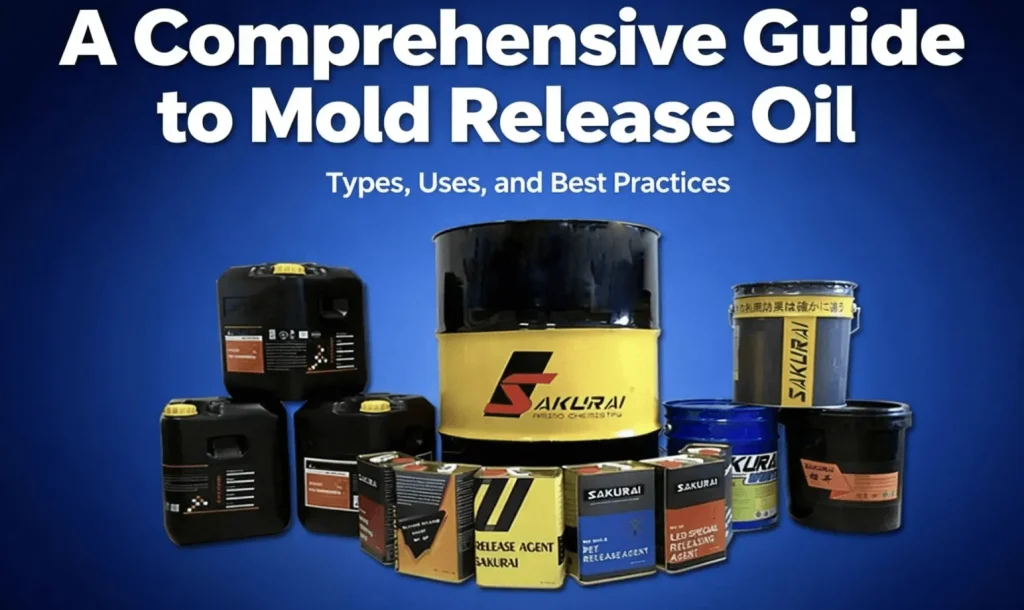
You use mould release oil to help finished products come out of a mould. This oil keeps the mould safe and makes the products better. It also makes the work easier. The worldwide market for mould release oil will be $1,014.4 million in 2024. Experts think it will keep growing. Studies show that this oil helps you get smooth surfaces and correct shapes. It also helps moulds last longer. It lowers the cost to fix things and puts less strain on your machines.
What Is Mould Release Oil?
Composition and Function
Mould release oil is a special lubricant used in the manufacturing industry to help take parts out of molds easily.
You use mould release oil to help products come out of a mould without sticking. This oil contains special chemicals that make it work well in many industries. Each ingredient plays a role in making the process smooth and safe for your equipment.
Here are some common chemical components you may find in mould release oil:
- Various types of waxes help create a slippery layer.
- Silicone compounds, such as silicone oil and silicone resin, add flexibility and heat resistance.
- Liquid zinc salts improve the release effect.
- Phosphate esters protect the mould and help with easy cleaning.
- Higher fatty acid amines make the oil spread evenly.
- Zinc, calcium, magnesium, or lithium salts of fatty acids, like zinc stearate and calcium stearate, boost the release power.
You can see that each ingredient helps the oil do its job. When you choose mould release oil, you make sure your mould stays in good shape and your products look their best.
How It Works as a Barrier
Mould release oil acts as a barrier between the mould and the material you pour or press into it. You apply the oil to the mould before you start. The oil forms a thin layer that stops the material from sticking to the mould. This barrier makes it easy to remove the finished product.
When you use mould release oil, you protect the mould from damage. The oil keeps the mould clean and helps you get a smooth surface on your product. You also save time because you do not need to scrape or force the product out of the mould.
If you work in plastics, metal casting, or rubber manufacturing, you know how important it is to keep your moulds in good condition. Mould release oil helps you do that. You get better results and longer mould life.
Why Mould Release Oil Matters
Benefits for Production and Quality
You want your products to look good and last long. Mould release oil helps you reach these goals in factories. When you use this oil, your products have smooth finishes. The oil makes a barrier so you can take items out easily. This stops damage and lowers waste. You see fewer mistakes and save more materials.
If you do not use mould release oil, problems can happen:
- You may need to clean more because of leftover stuff.
- Materials might not work well together, causing problems.
- It gets harder to follow safety and environment rules.
Mould release oil helps you work faster and better. You can see the changes in these numbers:
| Improvement Type | Measurement |
|---|---|
| Maintenance Time Reduction | You clean half as much |
| Production Capacity Increase | You make 20% more products |
| Production Cycle Time Reduction | Each cycle is 20% shorter |
You may finish each cycle up to 17 seconds quicker. This means you can make 929 parts instead of 785 in a day. That is about an 18% increase. Sometimes, you can get 30% more work done. Better finishes and fewer mistakes help you save time and money.
Mold Protection and Longevity
You want your moulds to last a long time. Mould release oil protects moulds by stopping wear and tear. The oil keeps moulds clean and stops sticking. This helps you avoid damage and keeps machines working well.
Mould release oil helps you get more work done. It makes each cycle faster and helps moulds last longer. You spend less money fixing or replacing moulds. Your factory runs smoothly. Using mould release oil protects your tools and gives you good results every time.
Types of Mould Release Oil
Mineral-Based Mould Release Oil
Mineral-based mould release oil is used in many factories. It uses special mineral oils to cover the mould. You can use it for things like concrete, asphalt, and tiles. This oil helps you remove products without sticking. It also keeps the mould safe. But you need to be careful with these oils. They can be bad for your health and the environment.
Here is a table that shows some risks:
| Type of Risk | Description |
|---|---|
| Health Risks | Touching or breathing it can hurt your skin or lungs. |
| Environmental | If you throw it away wrong, it can pollute water and dirt. |
| Flammability | Mineral oils can catch on fire easily. |
| Contamination | Toxins in the oil can harm people and nature. |
Synthetic
Synthetic mould release oil works better and gives higher quality. These oils are made from chemicals or plants. They cost more than mineral-based oils. But they stick better and make smoother products. You will see fewer mistakes in your finished items. Many companies pick synthetic oils because they want good results and care about the earth.
Water-Based
Water-based mould release oil is safer for people and nature. You use these oils when you want less harmful chemicals. You can clean them up with water. They are often made from natural things. These oils help keep the air and water clean.
- Water-based oils fix many safety problems.
- They are not as harmful to people or the planet.
- You can wash them away with water.
Solvent-Based
Solvent-based mould release oil is good for hot jobs. You use these oils when you need a thin layer. They dry fast and help with tricky shapes. They work well in hot, wet, or cold places. But these oils can be risky for health and the environment. You should use them with care and lots of fresh air.
- Solvent-based oils dry very fast.
- They work in tough and hot places.
- They help you remove hard shapes from moulds.
Application of Mould Release Oil
Plastics Industry
Mould release oil is used a lot in plastics. It makes a thin layer on the mould. This helps plastic parts come out easily. You see fewer mistakes and save time. The oil keeps the mould clean and helps it last longer. Here are some ways mould release oil helps:
| Benefit | Description |
|---|---|
| Easy Separation | Makes a thin layer so parts do not stick. |
| Reduced Production Downtime | Less time is lost because parts come out fast. |
| Lower Costs | Fewer mistakes mean you spend less money. |
| Extended Mold Life | Moulds last longer, so you replace them less. |
Metal Casting
Mould release oil is important in metal casting. It stops metal from sticking to the mould. This keeps the surface of the product smooth. You get fewer bad items and better results. The oil also protects the mould from damage.
- The oil makes a layer so metal does not stick.
- It keeps the product strong during casting.
- You see fewer mistakes in your products.
- It helps you remove tricky shapes from the mould.
Rubber Manufacturing
Rubber factories use mould release oil to keep things working well. The oil stops rubber from sticking to the mould. You can take out the rubber without breaking it. This keeps the quality high and the mould in good shape. You do not need to fix the mould as often.
- Mould release oil helps keep products good and work fast.
- It stops sticking, so you can remove items easily.
- This means better products and less damage to the mould.
Composites and Others
You need mould release oil for things like carbon fiber and fiberglass. Silicone and silicone-free oils help you get a cleaner finish. You use less oil and get better results. These oils help with injection molding and other jobs. They make demoulding easier and lower problems. Other industries like food packaging, building, and cars also use mould release oil. They need smooth demoulding and nice surfaces.
| Type of Mould Release Agent | Applications in Composites Manufacturing | Advantages Over Other Industries |
|---|---|---|
| Silicone Mold Release Agents | Works well with many composite materials | You use less oil and get a cleaner finish. |
| Silicone-Free Mold Release Agents | Good for injection molding jobs | Fewer problems with silicone. |
How to Choose the Right Mould Release Oil
Selection Criteria
When you choose mould release oil, you need to match it to your job and your mould. You want to make sure the oil works well and keeps your products looking good. The right choice helps you get the best quality and saves you time.
Here is a table that shows what you should look for:
| Criteria | Description |
|---|---|
| Surface adhesion and durability | Helps you separate the finished part from the mould without damage. |
| Ability to form a thin-film | Creates a barrier that stops sticking and keeps the surface smooth. |
| Sufficient surface slip & lubricity | Makes it easier to remove parts and protects the mould from wear. |
| Chemical inertness | Stops the oil from reacting with your materials or the mould. |
| Number of releases per application | Tells you how many times you can use the oil before reapplying. |
| Minimal build-up and ease of cleaning | Reduces cleaning time and keeps your production moving. |
You also need to think about safety rules and how the oil fits with your materials. Make sure the oil meets standards set by groups like the FDA if you work with food packaging. Check if the oil works with your mould and your process. You can use spray, brush, or roller to apply the oil. Look for oils that stay stable in heat and do not change the taste or smell of your products.
Application Tips
You want to get the most out of your mould release oil. Good application helps you avoid problems and keeps your mould in top shape. Here are some best practices:
- Pick the right oil for your job, such as food-grade for packaging or paintable for decorated parts.
- Use less oil to stop build-up and keep your mould clean.
- Hold the spray 8-12 inches away and move in a sweeping motion for even coverage.
- Start with a clean mould. Use a cleaner before you apply new oil.
- Watch how many parts you make before you need to add more oil. Reapply before parts start sticking.
You should avoid common mistakes. Do not use too much oil, or you might see burning or build-up. Spray from the right distance and use a steady pattern. Clean your mould before each new application. Some oil will move to your product, so you need to reapply as needed. Test how many parts you can make before you need more oil. Apply oil as often as your process needs, from every cycle to once a day. Check the cost per part to make sure you are working efficiently.
Safety and Environment
You need to think about safety and the environment when you use mould release oil. Choose oils that meet safety standards for your industry. If you work with food packaging, pick non-toxic oils that follow FDA rules. Always wear gloves and masks when you handle oils, especially solvent-based ones.
Water-based oils are safer for people and nature. They clean up with water and do not pollute the air or water. Synthetic oils can also help you meet safety and environmental goals. Store oils in a safe place and follow local rules for disposal.
You can see that mould release oil helps your products look better. It also keeps your equipment safe. Picking the right oil gives you smooth surfaces. You will have fewer mistakes in your products. Your molds last longer because there is less rubbing and damage.
- Release agents stop damage and help molds work for more time.
- Using eco-friendly oils and good methods makes things work better.
If you need help or special answers, contact Dongguan Meiya Chemical Co., Ltd.
FAQ
What is the best way to apply mold release oil?
You should clean the mold first. Use a spray, brush, or roller to cover the surface evenly. Hold the spray 8–12 inches away. Apply a thin layer. Let it dry before starting production.
Can you use mold release oil for food packaging molds?
Yes, you can use food-grade mold release oils. These oils meet FDA safety standards. Always check the product label. Choose non-toxic options for food packaging to keep your products safe.
How often should you reapply mold release oil?
You need to reapply mold release oil when parts start sticking. Some oils last for several cycles. Test your process to find the best schedule. Reapply before you see problems.
Does mold release oil affect product quality?
Mold release oil helps you get smooth surfaces and easy demolding. You see fewer defects and less damage. Using the right oil improves your product quality and reduces waste.